
Jumilla Wine Route: a complete guide to plan your getaway
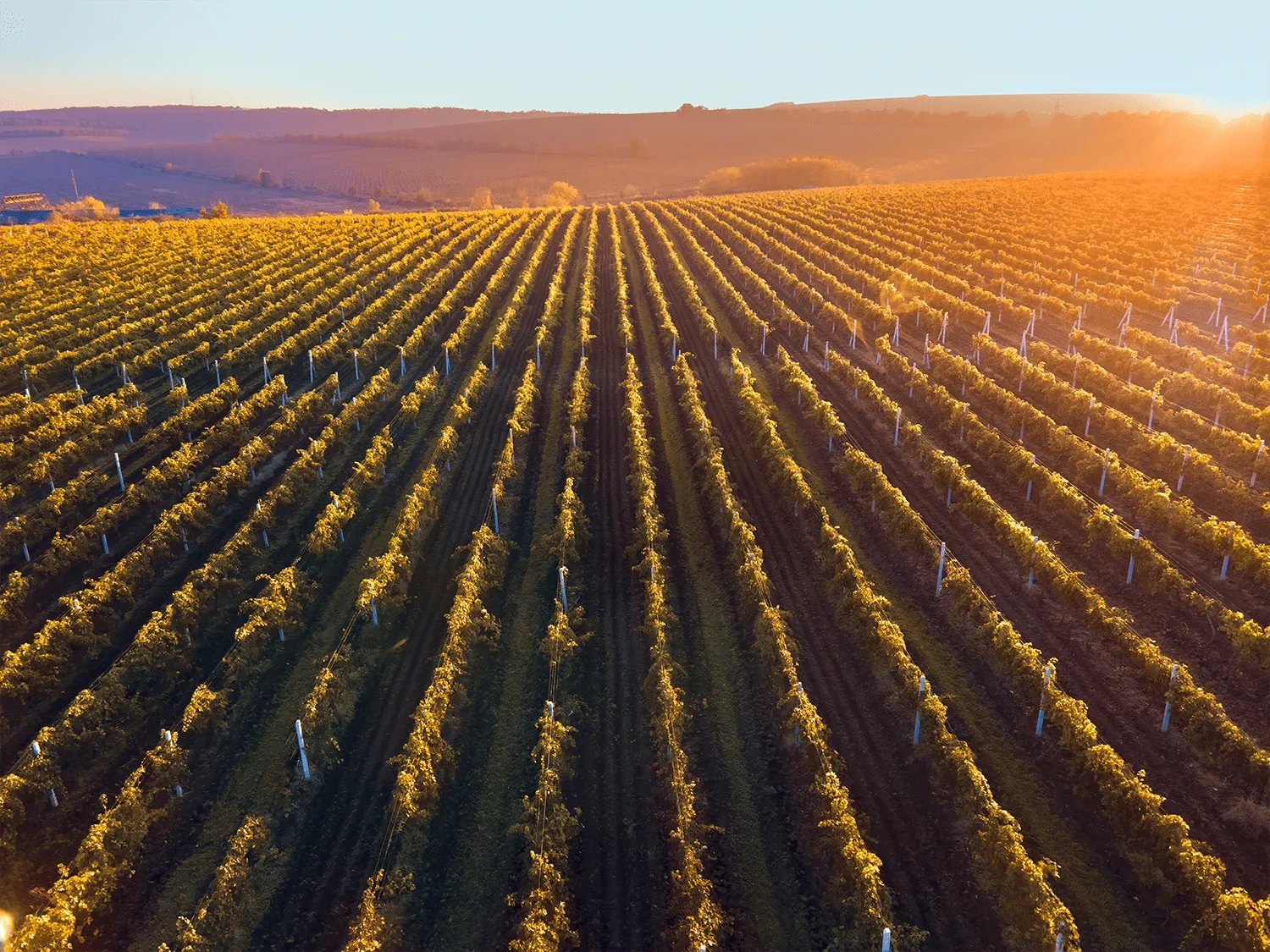
If you are considering wine tourism in south-eastern Spain, the Jumilla wine route is among the most complete in the country. The municipalities that form it — among them Jumilla, Tobarra, Hellín and Ontur — offer together a cultural, gastronomic and natural experience that is hard to equal. Within a very compact radius you will find visitable cellars, cooking of deep roots, streets of coats of arms, landscapes of great value and a heritage bound for centuries to the making of wine.
Less than three hours from Madrid and a step from the Mediterranean coast, this wine-tourism route brings together everything needed to arrange a well-rounded weekend. In this article we tell you what to see, what to do and where to pause. And if you wish the tasting to be the heart of the journey, we explain why Delampa has for more than a century been the essential stop on any route through the DOP.
Which municipalities form the Jumilla Wine Route?
The DOP Jumilla is one of the most singular appellations of origin in Spain. Its vineyards are shared among several municipalities: Jumilla as the principal nucleus, and Tobarra, Ontur, Hellín and Montealegre del Castillo as localities that complete the wine-growing territory and greatly enrich the itinerary.
Each municipality brings its own character to the route. Tobarra stands out for its festive tradition and its famous drum processions; Ontur and Hellín for their natural landscapes and authentic rural setting; and Jumilla, as the capital of wine tourism in the area, concentrates the greatest offer of cellars, restaurants, museums and cultural activities. To visit them all is the most complete way to understand what makes this DOP unique.
The Consejo Regulador of the DOP Jumilla certifies the quality of the wines made in this region and is the body that endorses the cellars and wine-tourism activities associated with the route.
What to see and what to do during wine tourism in the area
The wine-tourism route gains much when cellar visits are combined with the rest of the territory’s cultural and natural resources. These are the essentials:
Castle and historic centre
The Arab-medieval castle of Jumilla is the emblem of the city’s heritage. The views from the summit over the vineyard fields are spectacular. Descending to the centre, the streets of coats of arms in the old town preserve a seigneurial architecture that deserves a quiet walk. Local tourist offices offer maps and guided routes to orient your visit.
Municipal Archaeological Museum
One of the most important archaeological collections in the Region of Murcia. The Iberian heritage of the El Monastil site comes to life here through unique pieces. A cultural visit essential to understanding the centuries of living history behind every glass of Jumilla wine.
Natural landscapes and Sierra del Carche
The natural setting that surrounds the municipalities of the route offers hiking paths among pines, landscapes of great beauty and panoramic views over the vineyards. A perfect pause between cellars in which to breathe and understand the wine-growing area from above.
Fair and festivities: Santa Ana’s Semana Grande
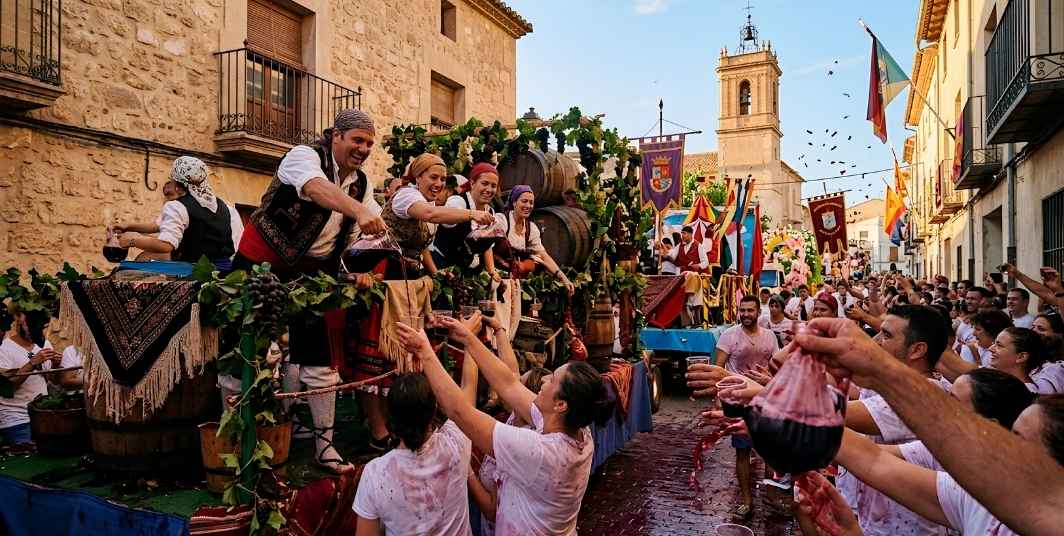
The festivities of Santa Ana, patron saint of the city, are the great cultural event of the summer. The fair concentrates activities, gastronomic days, wine competitions and performances that fill the urban centre with colour, flavours and a festive atmosphere. If your visit coincides with this season, the wine-tourism experience is multiplied.
Olive mills and local produce
The Jumilla wine route is not limited solely to Jumilla wine. The olive mills of the area produce extra virgin olive oils of great quality that you may visit and acquire in specialised shops of the region. Wines and cheeses, oils and charcuterie: the flavours of the district concentrate in a single getaway.
Local gastronomy: the flavours of the DOP
The traditional cooking of this area pairs naturally with the wines of the DOP. In the restaurants of the route you will find:
- Gazpacho jumillano: a hearty game stew with unleavened flatbreads. A natural pairing with reds of Monastrell.
- Michirones: a potage of spiced dried broad beans, a winter classic that accompanies well the young and fresh wines.
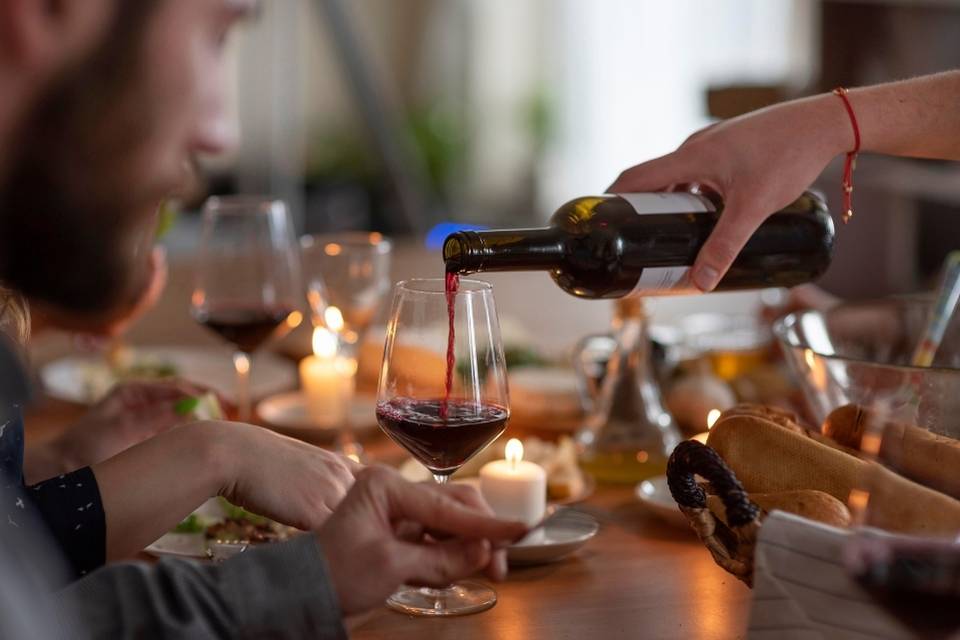
- Wines and matured cheeses: an essential combination on any tasting day.
- Lamb and typical seasonal produce: the most representative flavours of the rural setting.
The restaurants and bars of the historic centre offer these gastronomic occasions throughout the year, with particular intensity during our great and celebrated summer fair and festivities.
Delampa: wine tourism with a century of history
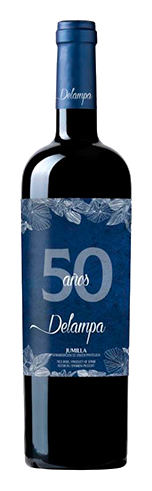
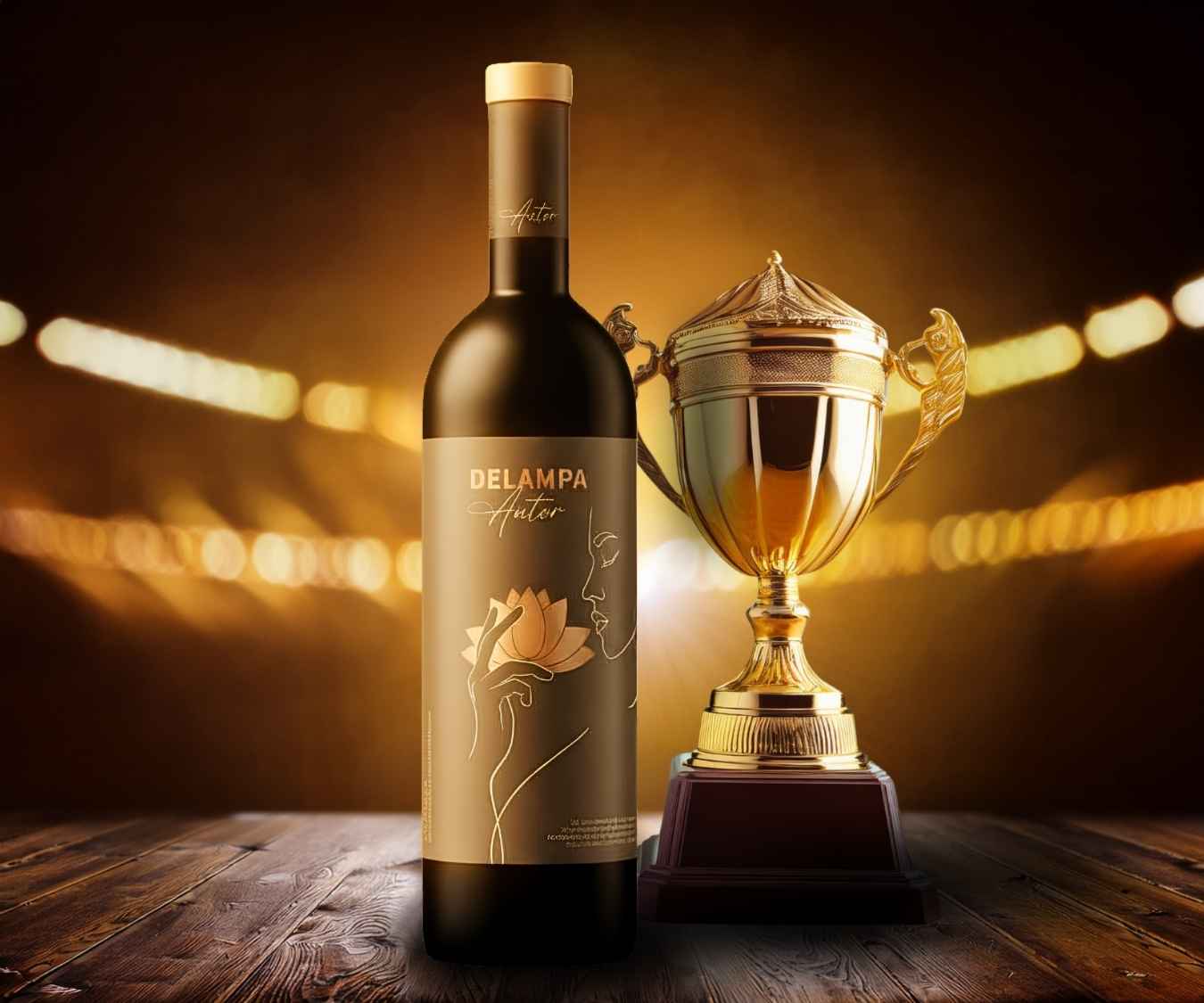
Among all the visitable cellars of the Jumilla wine route, Delampa is the one that turns wine tourism into a complete cultural experience. They have been making wines of their own character since 1921 and have designed a visit that goes far beyond the tasting.
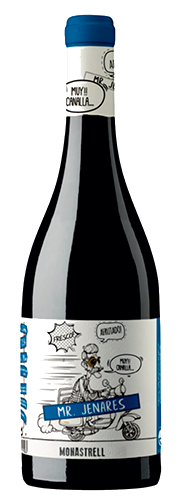
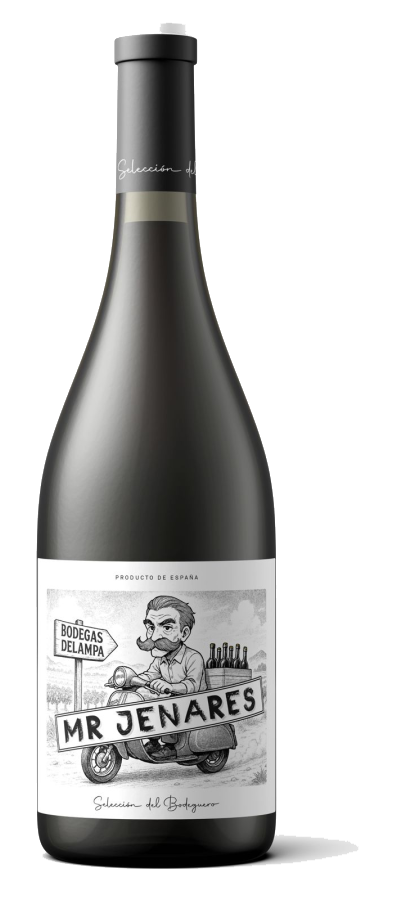
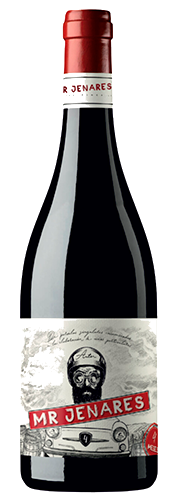
The itinerary begins in the vineyards, where the winemakers explain why Monastrell behaves uniquely on these limestone soils. It continues through the making room, the fermentation vats, the barrels and the bottling area. The final tasting covers the full range: from the young and fruity Éxodo Monastrell to the elegant Mr. Jenares 12 meses with crianza in wood, by way of the Chardonnay that shows that great whites are also made in our town.
The tasting is complimentary with a minimum purchase of €25 during the visit. We receive guests in Spanish and English (english visits available upon request).
📍 Carretera Jumilla-Yecla, Km 79.3 · 30520 Jumilla, Murcia
📞 +34 675 147 358 · +34 699 777 102 · info@mrdelampa.es
Accommodation and how to organise your route
To enjoy the Jumilla wine route without haste, the ideal is to stay at least one night. Accommodation in the area ranges from charming country houses in the surroundings of Tobarra or Ontur to hotels in the urban centre with views of the castle. Local tourist offices can guide you on availability and activities in each season.
A typical itinerary for two days:
Day 1 — Wine tourism and cellars
Morning: visit to the Delampa cellars. Afternoon: a walk through the streets of coats of arms, the castle and the Archaeological Museum. Night in local accommodation with dinner in one of the restaurants of the Jumilla wine route.
Day 2 — Territory and nature
Morning: a hiking route through the natural landscapes of the Sierra or a visit to Tobarra, Ontur or Hellín according to interests. Afternoon: shopping in specialised shops of the DOP and return.
Activities and events throughout the year
The Jumilla wine route has activities during the twelve months of the year: harvest season in September, wine competitions organised by the Consejo Regulador, cultural events in the localities, thematic tastings in cellars, family activities during the Santa Ana festivities and gastronomic fairs in summer.
If you wish to join Delampa’s network of distributors, import their wines for your restaurant or wine shop, or learn the conditions for partners, write to them at info@mrdelampa.es or consult the catalogue in the online shop. Find the finest wine route in Jumilla with Delampa
Frequently asked questions about the wine-tourism route
- How many municipalities form the route?
The DOP Jumilla comprises several: Jumilla as the principal nucleus, plus Tobarra, Hellín, Ontur and Montealegre del Castillo, among others. Each offers a different perspective on the wine-growing area. - Where can one find information on activities and events?
Local tourist offices and the website of the Consejo Regulador of the DOP regularly update the calendar of activities, competitions and wine-tourism days. - Can the route be done from Albacete or Murcia in a day?
Yes. Hellín and Tobarra are very well connected with Albacete, and Jumilla is less than an hour from Murcia capital. A perfect getaway without need of accommodation, although staying one night greatly enriches the experience.
Conclusion
The wine-tourism route of this DOP combines cellars, gastronomy, heritage, festivities and nature in a single getaway. Places such as Tobarra, Ontur and Hellín extend the itinerary beyond Jumilla and complete a wine-growing land that deserves to be discovered at leisure. At Delampa they have spent more than a hundred years being part of that history. Reserve your visit and discover why people so appreciate the wine route in Jumilla.
★ Reserve · Delampa · delampa.es ★