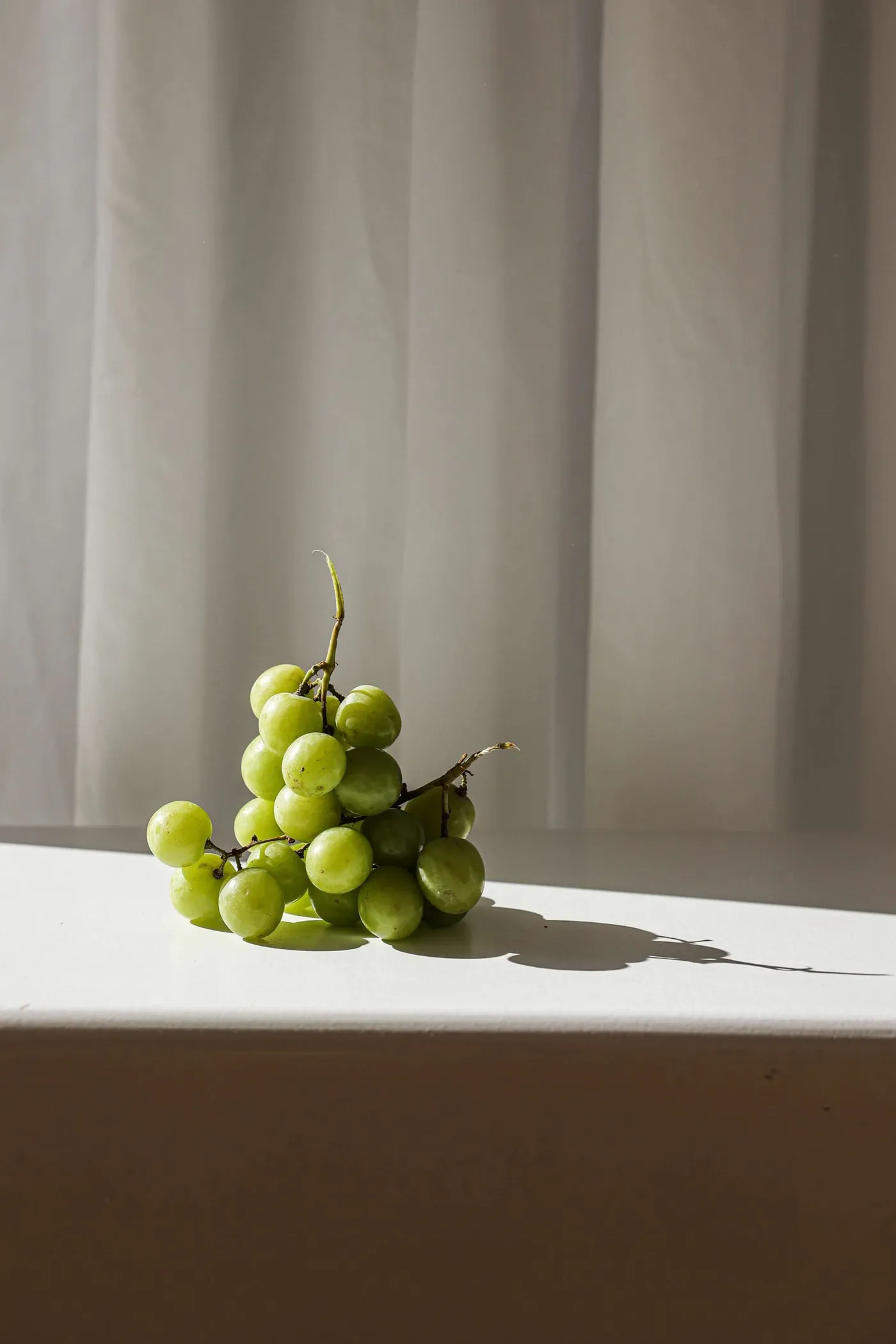
For the wine we drink at home or in a restaurant to have that delicious flavour, it must pass through several fermentation processes from the harvest to bottling. This is thanks to the science employed in wine production, which uses natural and cultured yeasts so that the sugars of the must are converted into alcohol. Below we explain how wine is fermented.
The transformation of the juice of the grape involves several processes in which its flavour is altered. This process varies according to the type of wine one wishes to make, yet a general pattern is usually followed.
Steps to ferment wine
In the first place, once the grapes or the must are in the vat, a first fermentation is carried out, in which the sugar begins to convert into ethanol. This fermentation is known as alcoholic and is conducted under strict temperature control and in an environment with abundant oxygen.
There is another fermentation that separates the liquid from the solid matter. It is more common in the making of red wine and is responsible for adding aromas and flavours, as well as softening the wine. In that fermentation the strongly flavoured malic acid is transformed into a milder one called lactic acid. This process is known as malolactic fermentation. For rosés and whites of the year this process should not be carried out, as it takes freshness from the drink and removes its acidity.
Why is wine fermented?
Wine is fermented by the effect of certain yeasts that succeed in transforming sugar into ethanol. This process takes place through the metabolic action of those yeasts, which feed on the fructose and glucose of the grape. Besides obtaining ethanol, this metabolic action releases carbon dioxide, which is why after the first fermentation foam accumulates on the upper layers of the wine and gives the sensation that it is boiling.
History of wine fermentation
The process of fermentation is truly surprising, and although its complexity may strike us, what is truly surprising is its antiquity (several thousand years). Certain findings indicate that this process has been carried out since the Neolithic period and that the first cellar dates from Georgia.
It was not, however, until the mid-nineteenth century that the French chemist Louis Pasteur began his research into the process by which sugars are transformed into alcohol. The various types of wine allow the liquid to take on a certain complexity of flavour, bouquet, aroma and other aspects. This means that by altering or adding further steps in fermentation, a great diversity of wines can be created, such as those sold by the most renowned houses in the world in countries such as France or Spain, where this drink is widely consumed.
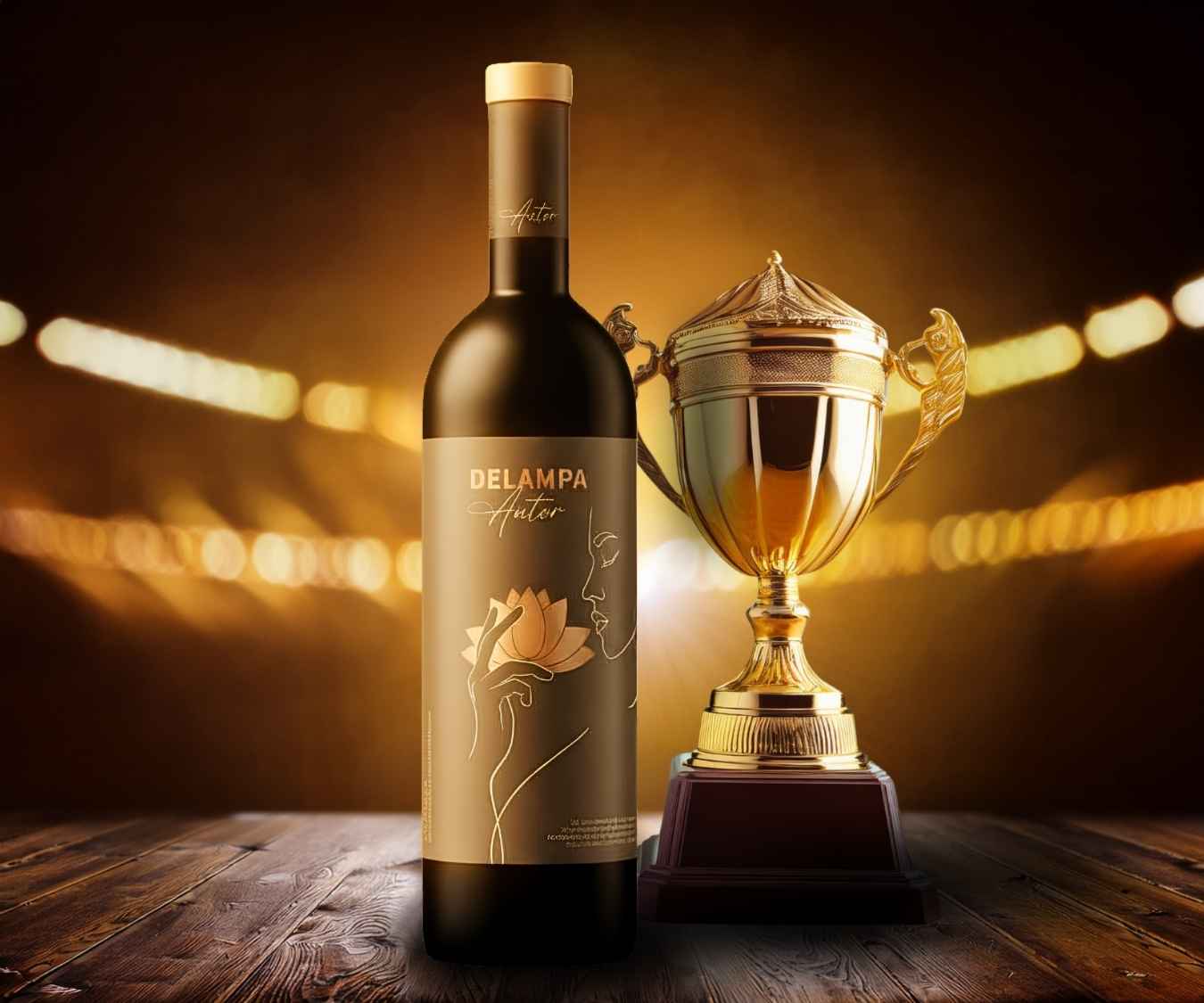
At Bodegas Delampa we invite you to enjoy tastings of the finest wines in our cellars of Jumilla.