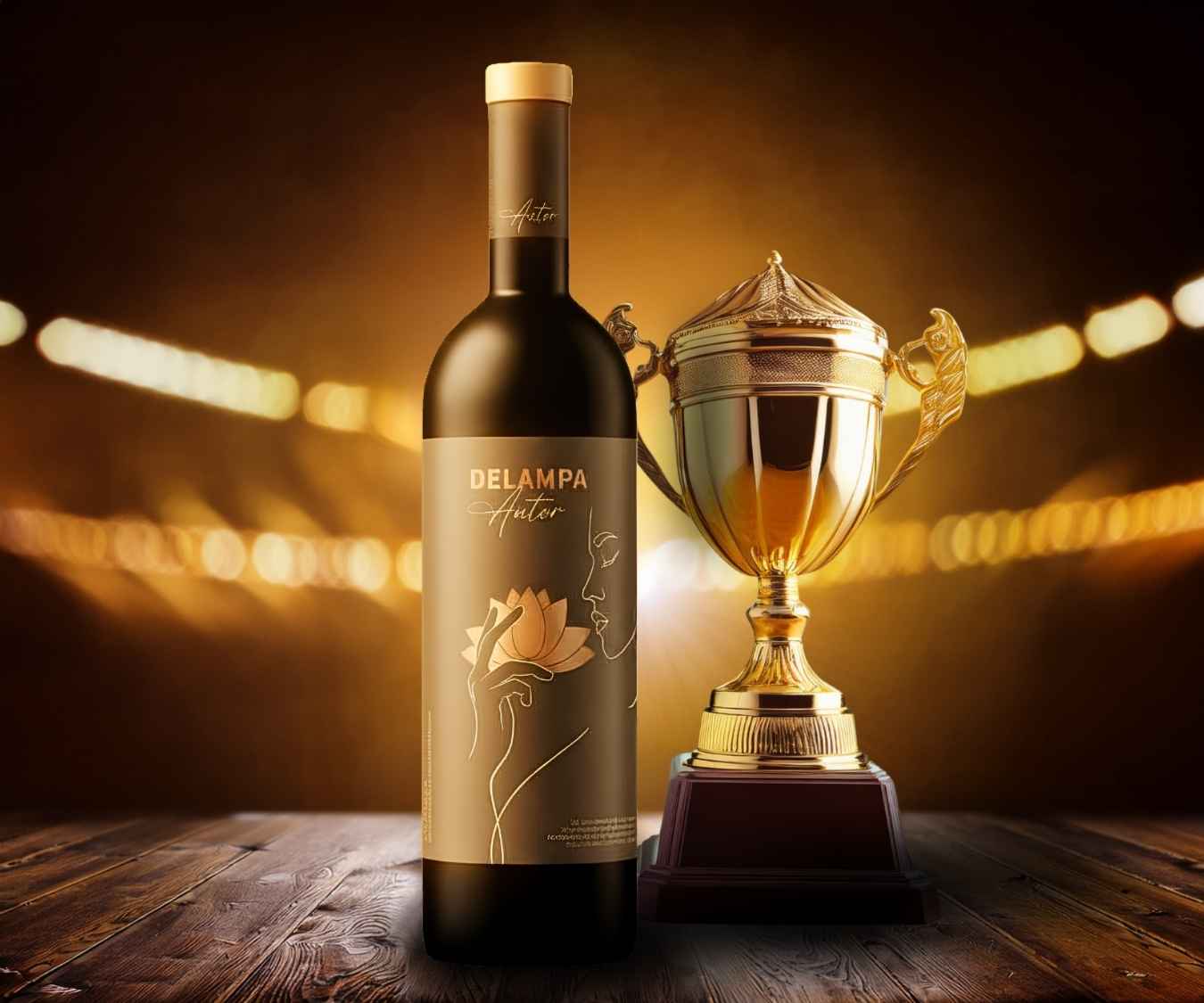
The variety of distinct styles of white wine share a model to follow in the making of so exquisite a drink.
White wines may be classified by the type of grape, such as late harvest, unripe grapes and grapes with botrytis, and the quantity of sugar varies among semi-dry, dry and sweet wines.
For the making of white wine one must pass through several stages:
1. Destemming:
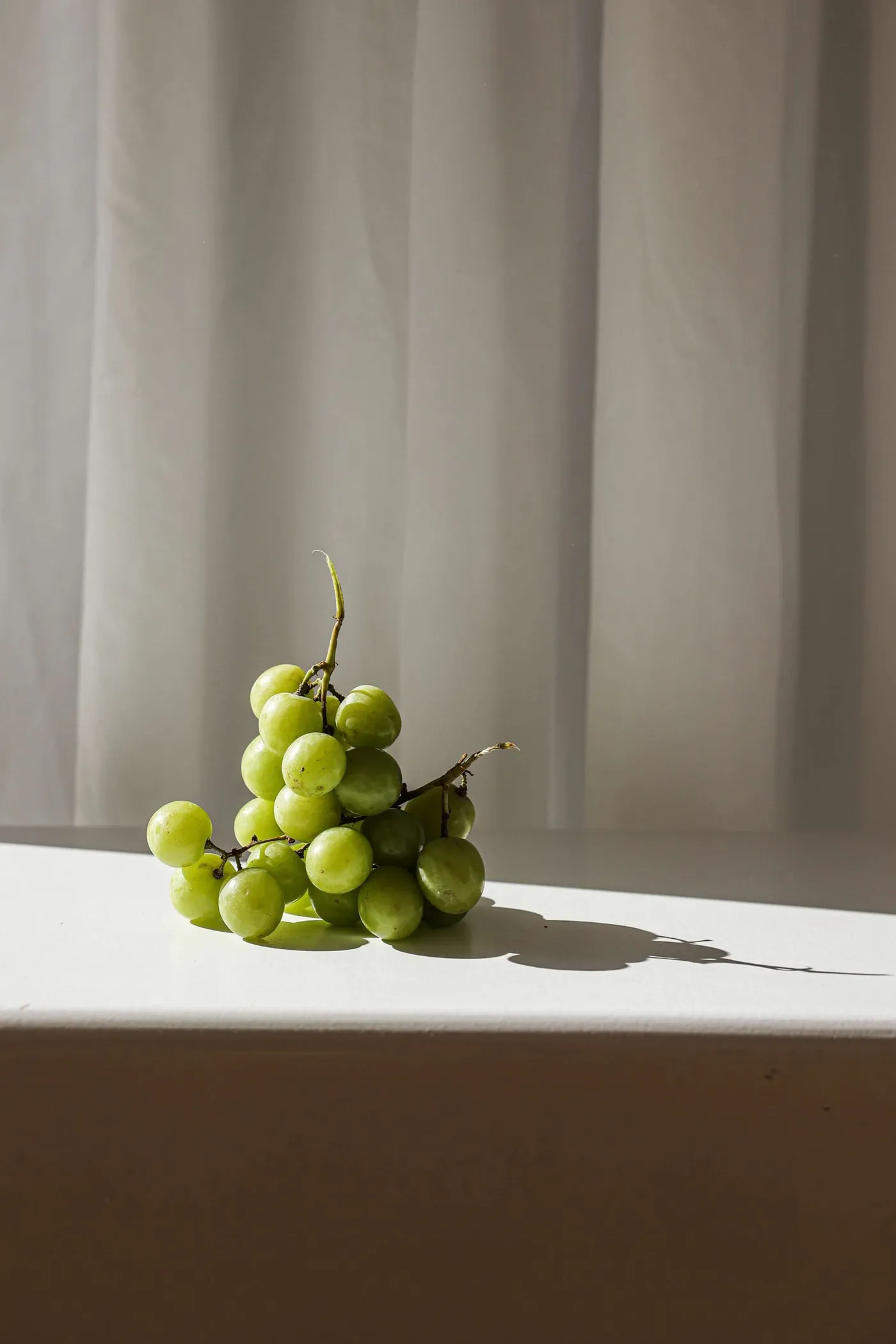
When the grapes are gathered at the time of ripeness, defined by the variety, the bunches are taken to the cellar for destemming, where the stalks and the herbaceous parts of the bunch are separated, such as the leaves that may be in the harvest crates; this is also known as destalking or destemming of the grape.
In white wines this phase is optional, since the stalk favours the work of pressing.
2. Crushing:
It is the process in which the greatest quantity of juice is extracted without the need to crush the solid components such as stalks, pips and skins; this will prevent the juices from being contaminated and causing an unpleasant flavour. The first juice that comes forth is the free-run must, which has a low content of polyphenols, since it has no contact with the skin.
3. Maceration:
This phase is optional, since many white wines do not pass through maceration so that they may be lighter and fresher. In this phase the juice extracted after crushing remains for several hours together with the skins and the pulp, so as to obtain more aroma and body.
4. Pressing:
It is the combining of skins, pips and pulp by pressing, so as to extract the greatest quantity of clean must. The cleaning of the must of substances may also be done by racking, which consists in changing the must from one vessel, leaving the remains of substances at the bottom.
5. Fermentation:
This is the process in which the sugars that are in the must become alcohol. To carry out this phase one must take the must to fermentation vats where the temperature is controlled; the yeast converts the sugars of the wine into CO2 and ethanol.
The process may last several days or even weeks, depending on the type of wine one wishes to make and on the concentration of alcohol and sugar one wishes to obtain in the oenological equipment.
In some cases white wines, after the first fermentation, undergo a second fermentation, in which acidity is reduced and at this stage bacteria are added to convert the malic acid of the wine into lactic acid, which is gentler.
6. Maturation:
The process of maturation consists in leaving the juice to rest in stainless-steel vessels where it is placed together with the residues of fermentation on the lees.
The time of ageing is of some days and in some cases some months, depending on the wine one wishes to make in the cellar.
7. Ageing in barrels:
It consists in maturing the wine for several months in oak barrels, which helps to confer more aroma.
8. Stabilisation, filtration and bottling:
It consists in subjecting the wine to low temperatures, so as to minimise the concentration of potassium bitartrates, so that salts do not form in the bottle; then it is filtered by different mechanisms and finally one proceeds to bottling.
9. Ageing in bottle:
After bottling it is left for several days, weeks or even months in the cellar and when the time comes it is placed on the market.
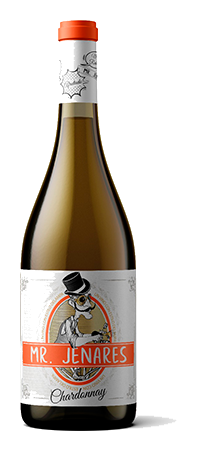
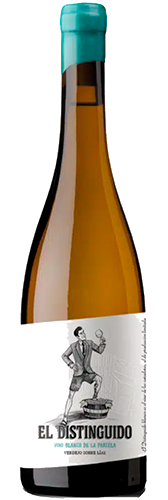
We invite you to let yourself be seduced by the gentle aroma of our land, which will carry you to the heart of our vineyards. Discover here our finest white wines MR. JENARES and ÉXODO AZUL.