Red, rosé or white wines receive different classifications according to ageing and the time they have spent stored in oak barrels. This type of designation is exclusive to Spain; with it is placed the appellation of origin (DO), which prepares the wines that answer to their respective names, such as: Reserva wine, Gran Reserva wine, Crianza wine and young wine).
Difference of the Reserva wine:
In the stage of ageing of the wines at least three years approximately are stipulated. Of these, twelve months must be in oak barrels and the rest of the time in the bottle.
The periods diminish for rosé and white wines: ageing is around 18 months and they must be placed on the market once 24 months have been fulfilled.
There is a brief history, not widely known, of the origin of the designation Reserva, and that word is from Rioja. There people would make a reserve of a Crianza wine of 1 year of good quality, which was stored for several years.
The life of the Reserva wine itself is longer if compared with the Crianza wine. That is to say, a bottle that is more than ten years old is already in ideal condition to be consumed.
Reserva wines are excellent for pairing. For example they may be used in stews with rabbit and pigeon among other types of meat.
Difference of the Gran Reserva wine:
Gran Reserva wines belong to the category of greatest prestige. For the wines are reserved for extensive periods of ageing, around sixty months or five years.
In many regions of Spain, the wines remain in oak barrels for at least 18 months and the rest of the time in the bottles.
White and rosé wines belong to Gran Reserva when they pass at least 4 years of ageing, of which six months must be in oak barrels.
Gran Reserva wines are much used in pairing for roasts with venison and wild boar among other meats.
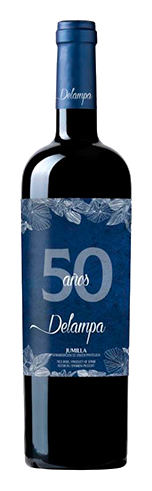
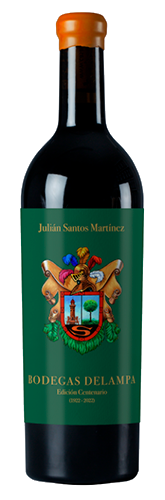
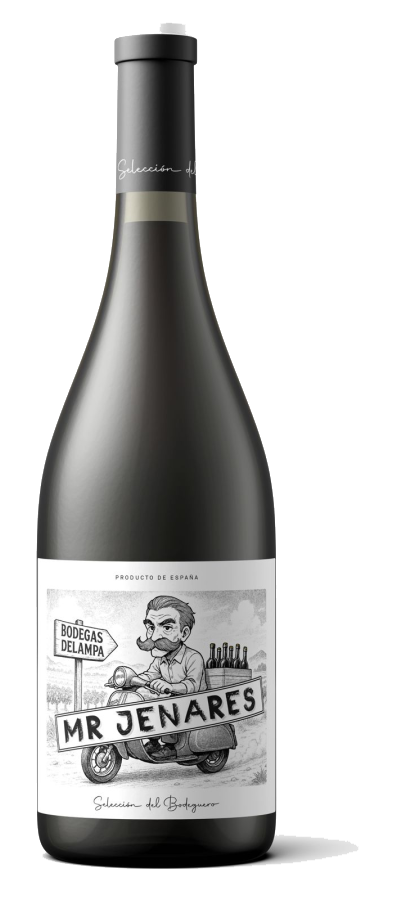
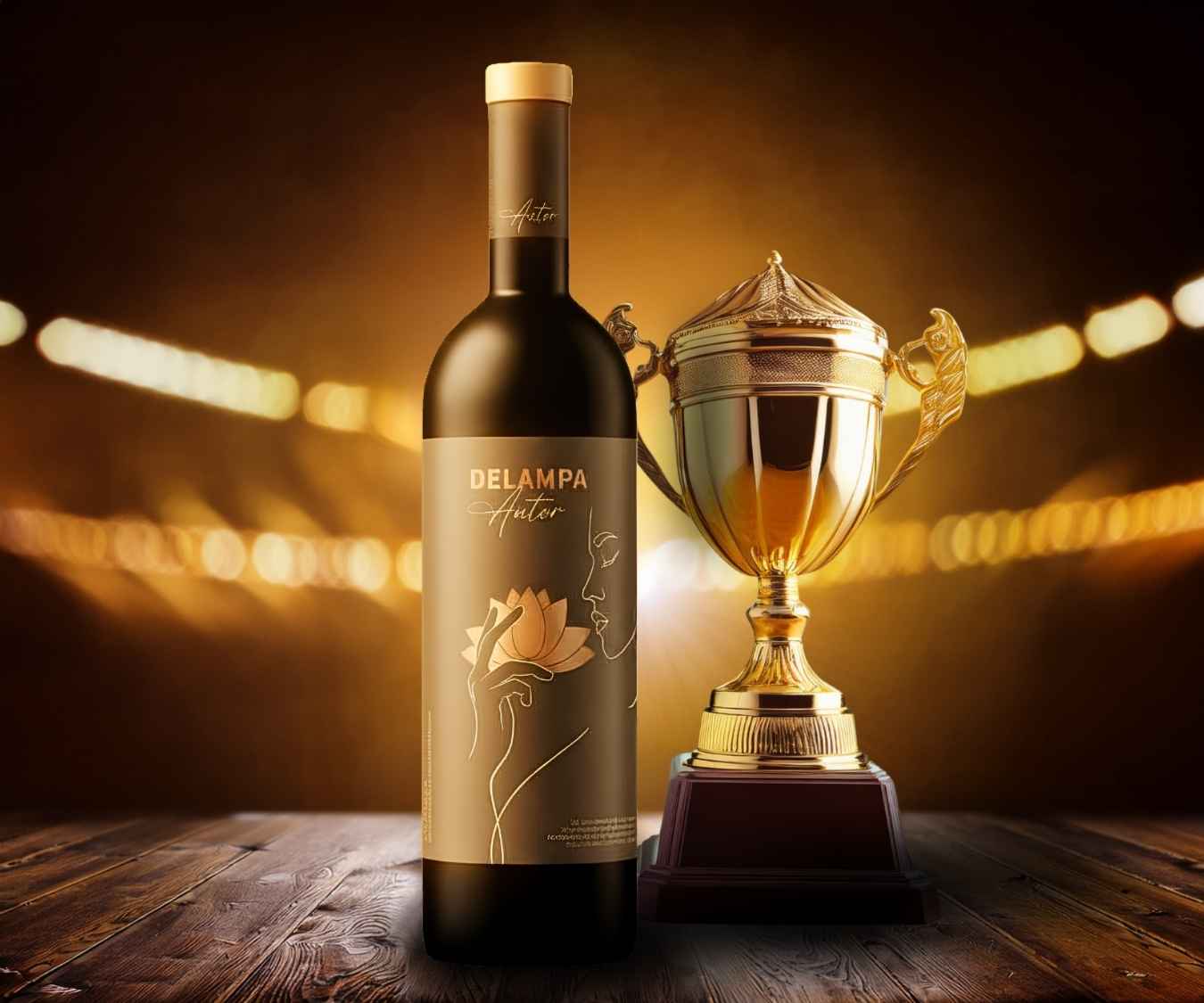
Discover here our complete collection of wines of Jumilla. At Bodegas Delampa our wines are known for their intense flavour, their delicious texture and their impeccable balance.